
"What's past is prologue"
William Shakespeare, The Tempest
Welcome to the Smith Lab!
We work in the area of conservation paleoecology. After all, most of the pressing environmental issues of modern life, including climate change and biodiversity loss, have happened before in earth history. What’s different this time is the driver.
Our lab uses the past to try to understand the present.
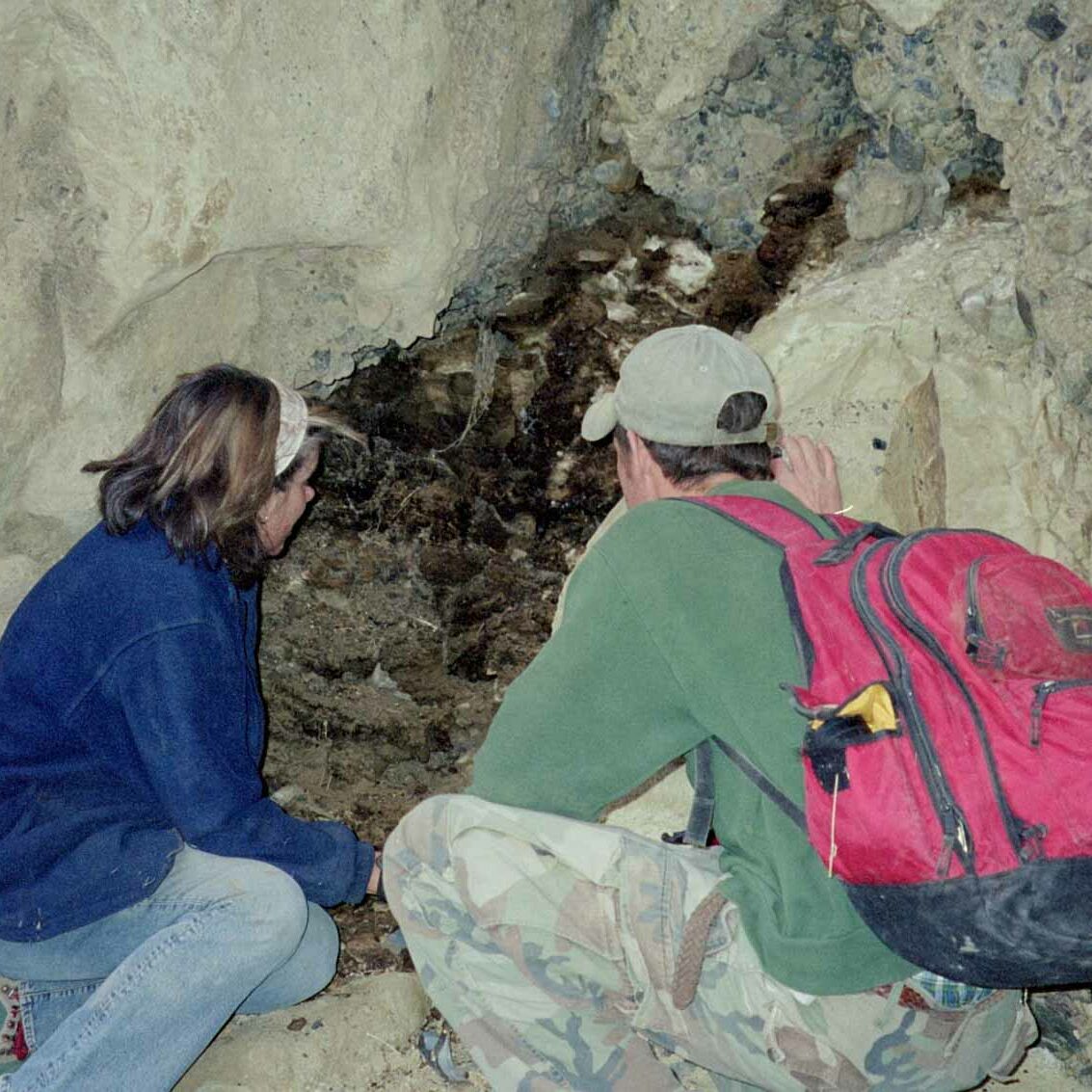
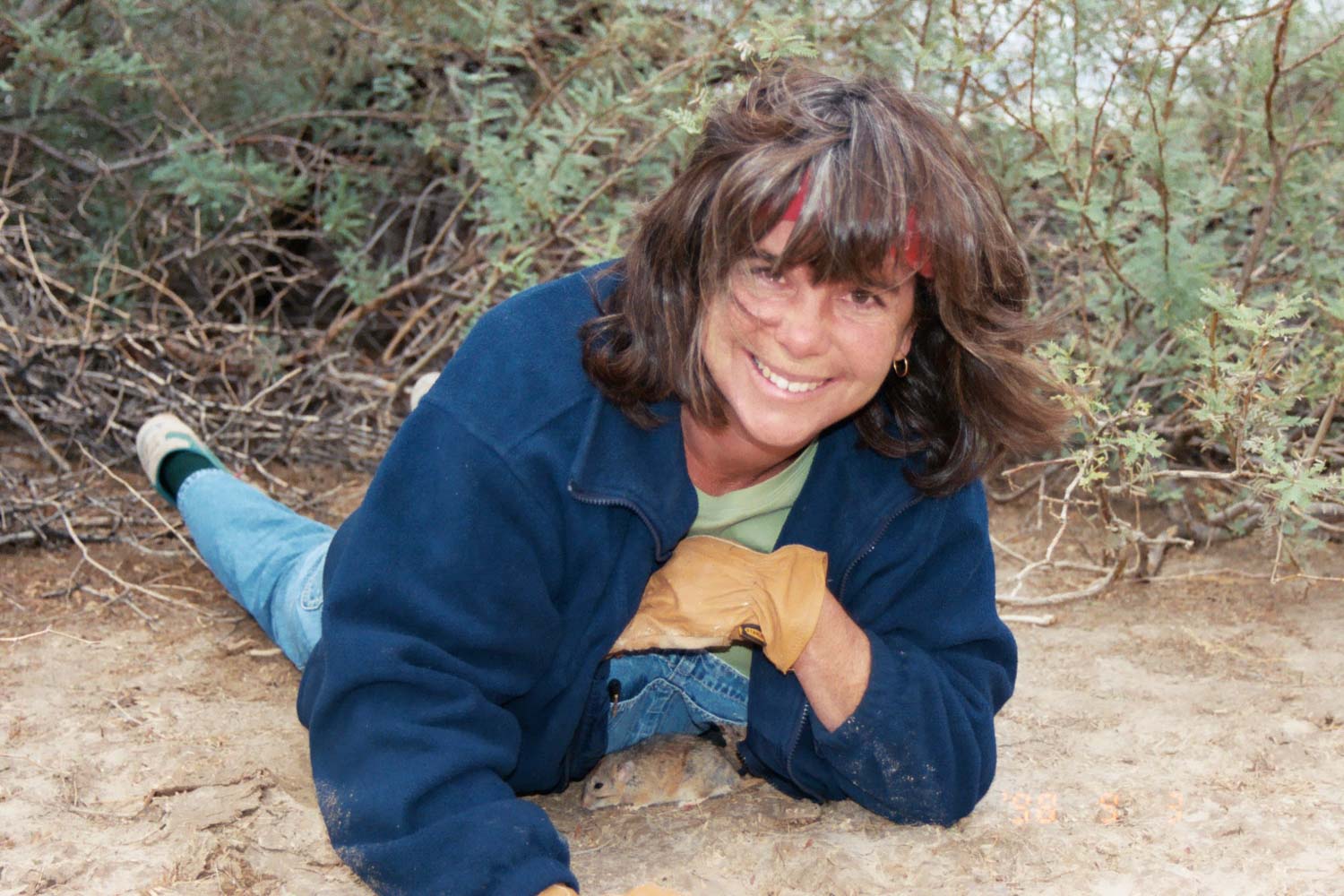
Smith Lab Resources
Access databases and learn more about our lab, including information for prospective students.
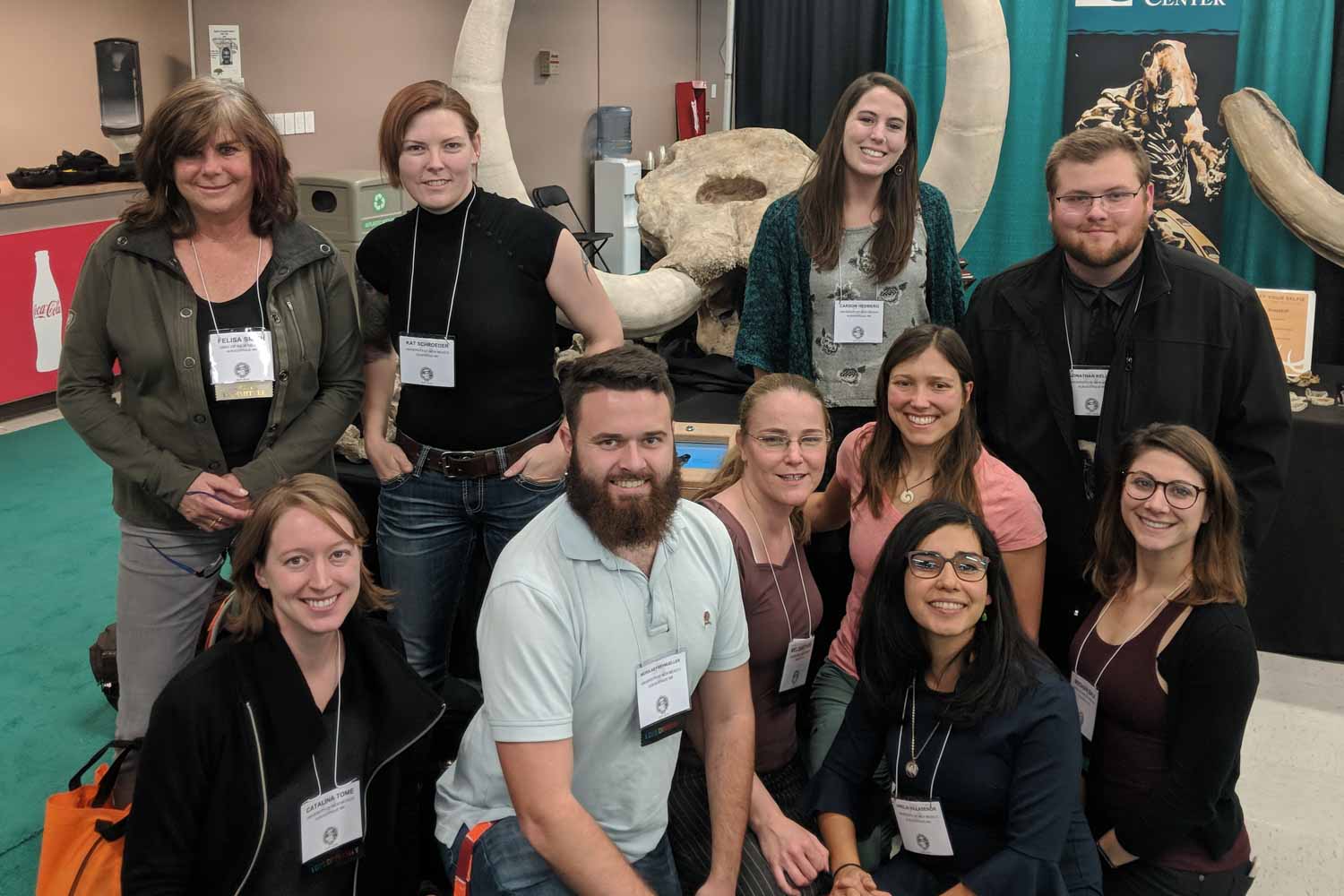
Meet the Lab
Learn about the members of the Smith Lab and our collaborators
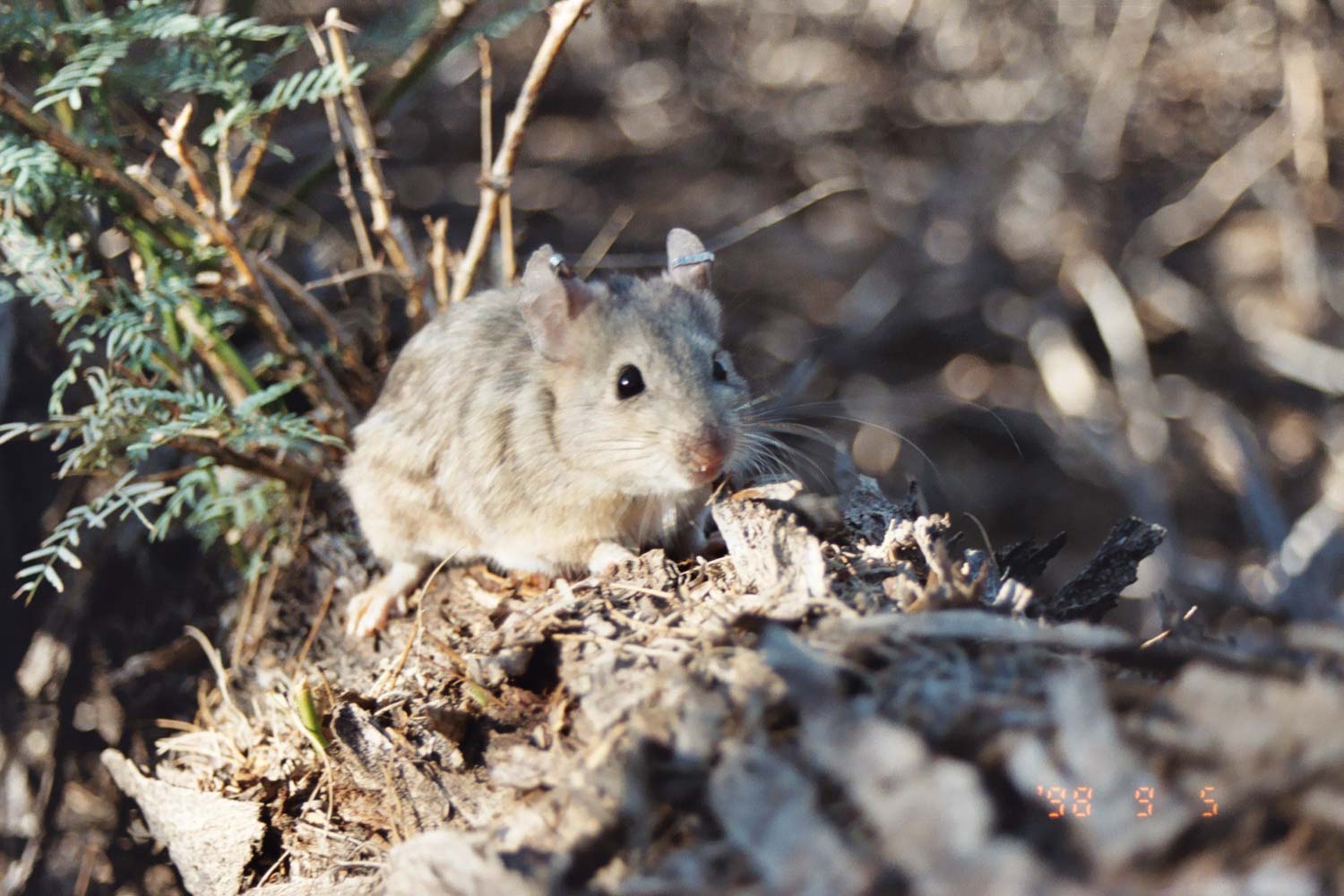
Smith Lab Publications
Read Smith Lab publications on mammal body size, biodiversity loss, and more.
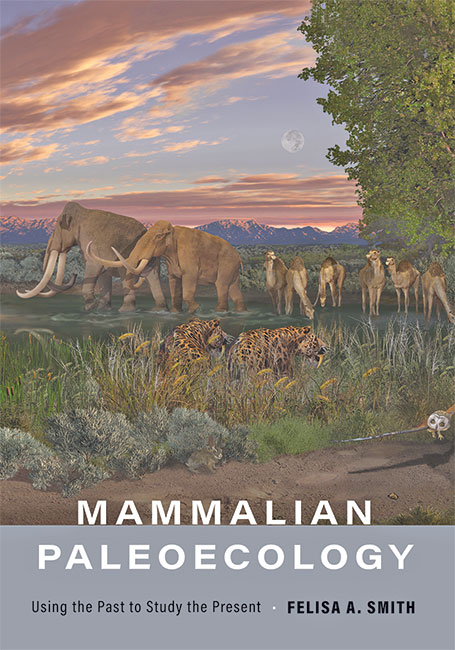
Mammalian Paleoecology is out now!
"In Mammalian Paleoecology, Felisa Smith broadly considers extinct mammals in an ecological context. Arguing that the past has much to teach us and that mammals, which display an impressive array of diverse life history and ecological characteristics, are the ideal organism through which to view the fossil record, Smith
- reviews the history, major fossil-hunting figures, and fundamental principles of paleoecology, including stratigraphy, dating, and taphonomy
- discusses the importance of mammal body size, how to estimate size, and what size and shape reveal about long-dead organisms
- explains the structure, function, and utility of different types of mammal teeth
- highlights other important methods and proxies used in modern paleoecology, including stable isotopes, ancient DNA, and paleomidden analyses
- assesses nontraditional fossils
- presents readers with several case studies that describe how the fossil record can help inform the scientific discussion on anthropogenic climate change
Mammalian Paleoecology is an approachable overview of how we obtain information from fossils and what this information can tell us about the environments of the distant past. It will profoundly affect the way paleontologists and climatologists view the lives of ancient mammals." —Johns Hopkins University Press